
Holiday Blues: Why the Season Isn’t Always Joyful
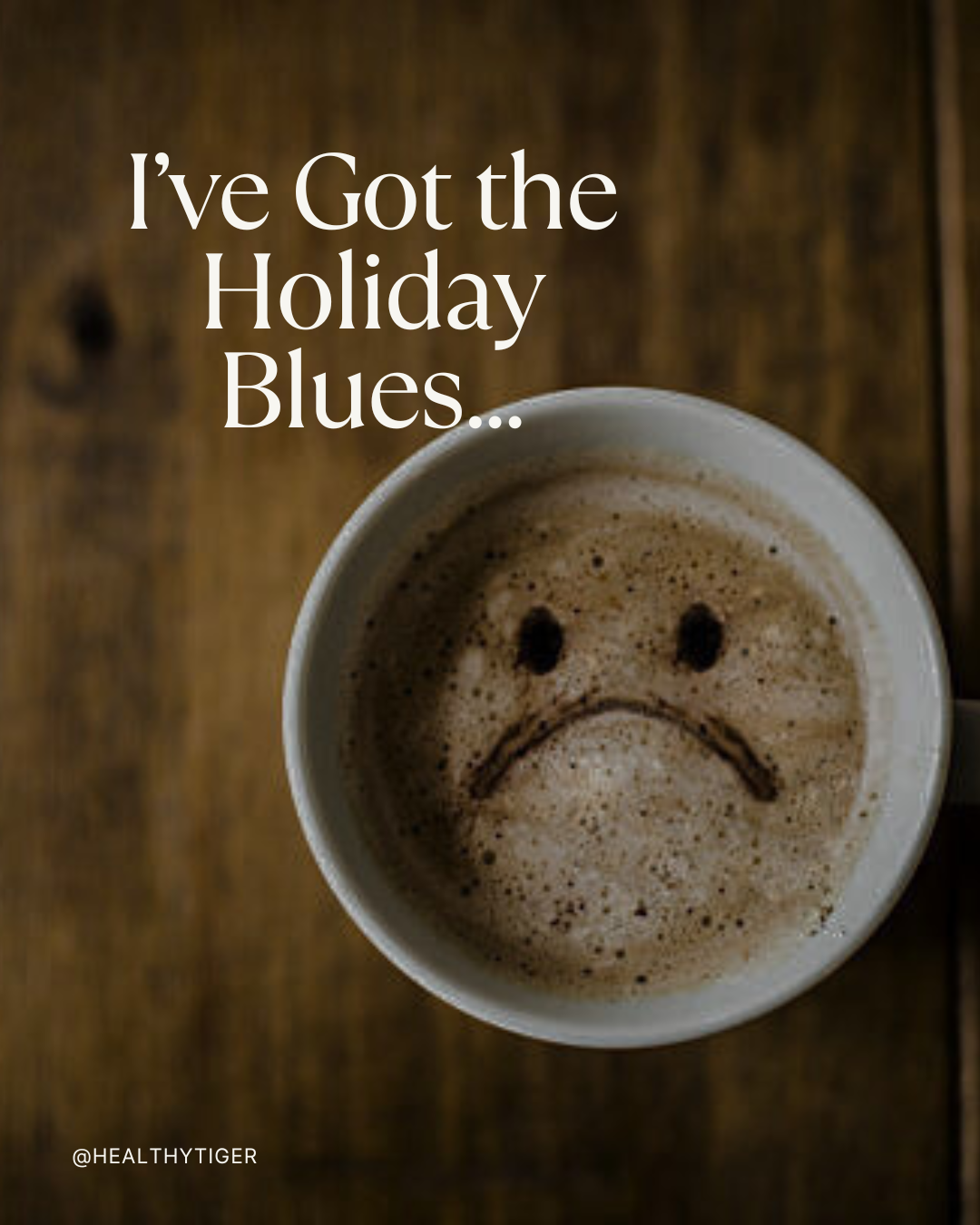
Picture Perfect Holiday
For many, Thanksgiving is a time of gratitude, family, and celebration. But for others, the holiday season can bring feelings of sadness, stress, grief, and isolation. This phenomenon, often called the “holiday blues,” is more common than you might think. According to the National Alliance on Mental Illness (NAMI), 64% of people with mental illness report feeling worse during the holidays, including Thanksgiving (National Alliance on Mental Illness, 2021).

Balancing Expectations
Thanksgiving is often portrayed as a picture-perfect gathering filled with warmth and laughter. However, reality doesn’t always match these expectations. Social comparison and unrealistic expectations fueled by media and cultural norms can amplify feelings of inadequacy and loneliness (Therapy Group of DC, 2025).
Financial strain adds another layer of stress to this phenomenon. Nearly 69% of Americans report financial pressure during the holidays, which can make hosting or traveling for Thanksgiving feel overwhelming (National Alliance on Mental Illness, 2014). For those grieving the loss of loved ones, the holiday can serve as a painful reminder of absence rather than a celebration of togetherness.
The Seasonal Factor
Thanksgiving falls during late November, a time when daylight hours are shorter. This seasonal shift can trigger Seasonal Affective Disorder (SAD), a type of depression linked to reduced sunlight exposure. Lower serotonin and melatonin levels during this period disrupt mood and energy, making it harder to maintain emotional balance (National Institute of Mental Health, n.d.).
Isolation and Loneliness
Even in a crowded room, feelings of isolation can persist. Family conflicts, strained relationships, or simply being away from loved ones can lead to emotional withdrawal. Research highlights isolation and loneliness as major contributors to holiday depression, often compounded by the pressure to appear cheerful (Therapy Group of DC, 2025).

Moving Forward
The good news? There are ways to navigate these challenges. Managing holiday blues starts with setting realistic expectations. Instead of striving for perfection, focus on what truly matters: connection and gratitude. Prioritizing your mental well-being helps buffer against holiday stress. Reaching out for support, whether through friends or family, can make a significant difference.
Effective approaches include planning, budgeting for holiday expenses, creating a flexible schedule, and prioritizing self-care to reduce stress. For those affected by SAD, light therapy and outdoor activities during daylight hours can improve energy and mood. If feelings of sadness persist, reaching out to a mental health professional is an important step toward support and healing.
Thanksgiving doesn’t have to be perfect to be meaningful. Sometimes, acknowledging the complexity of emotions during the holidays is the first step toward finding peace and connection.
Available Resources
✔ LSU Sport Psychology & Counseling: GeauxBeWell@lsu.edu or 985-277-9384
✔ LSU Mental Health Service Line: 225-578-5781 (24/7)
✔ Counseling Services for LSU Students: 225-578-9355
✔ 988 Suicide & Crisis Lifeline (Call or Text)
✔ Peer Support Groups through LSU Wellness
✔ SAMHSA Helpline (Substance Use): 1-800-662-HELP (4357)