
An Open Letter To LSU Student-Athletes

Dear Student-Athlete,
Being a student-athlete is hard.
No matter your sport, gender, or major, being a student-athlete is one of the most phenomenal, frustrating, exhausting, and beautiful experiences a person can have. Your peers probably see the athletic gear you sport and your Instagram and daydream about all the ways in which you’ve got it made. Unfortunately, most people don’t realize there’s more blood, sweat, and tears involved than there is confetti and smiles.


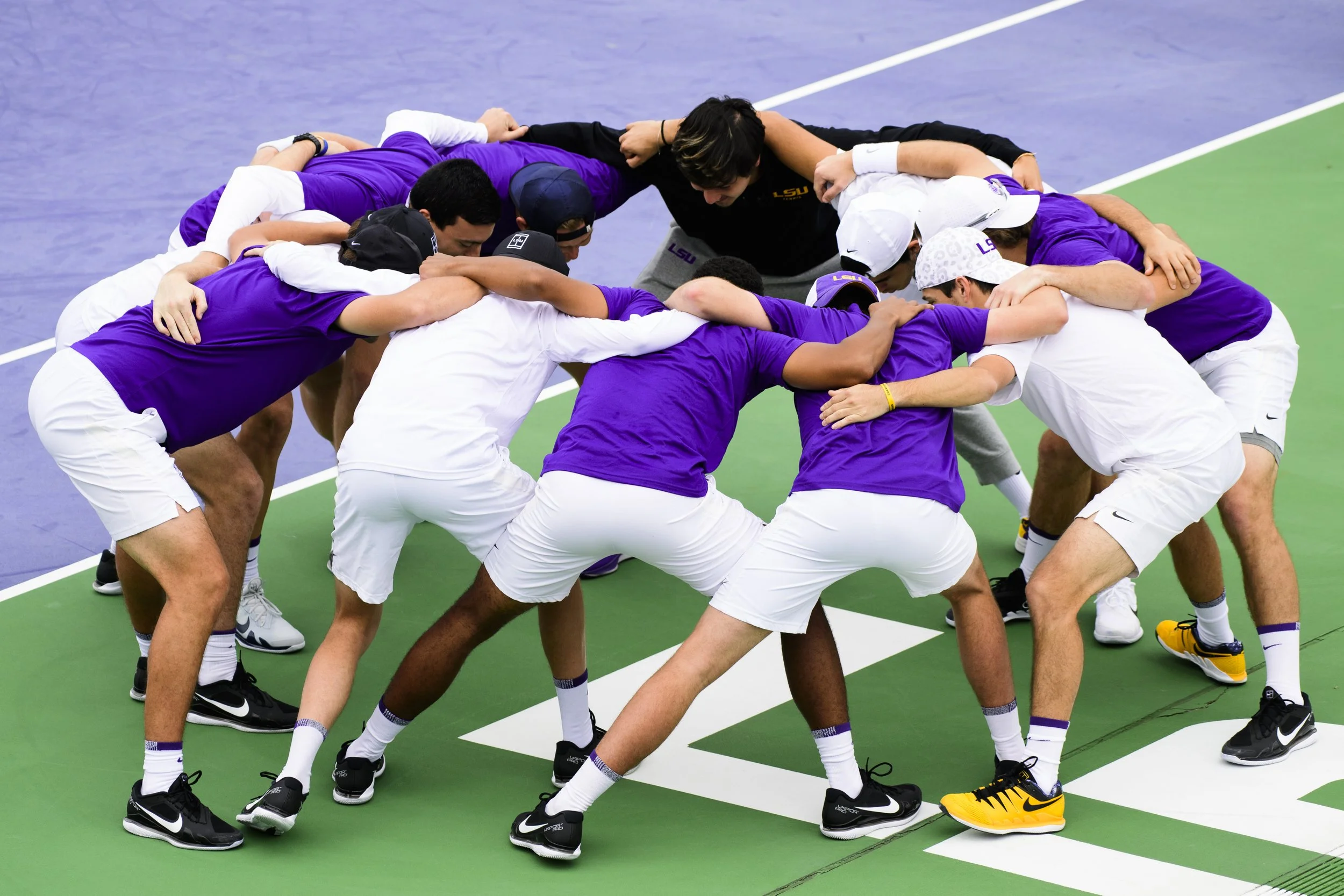
There’s no doubt college athletics allows for educational and personal opportunities most people only dream of. There’s a lot to be grateful for. There are plenty of perks and fun to be had. That’s especially true at a special place like LSU where there’s a long history of success at the highest levels and, let’s be real, some of the rowdiest, most committed fans in sports.
Sometimes things are simplified in sport. You win or you lose. You made NCAA’s or you didn’t. You’re a success or a failure. That line of thinking doesn’t leave much room for grey area. The truth, however, is two things can be true at once. College sports are the best.
They’re also freakin’ hard.
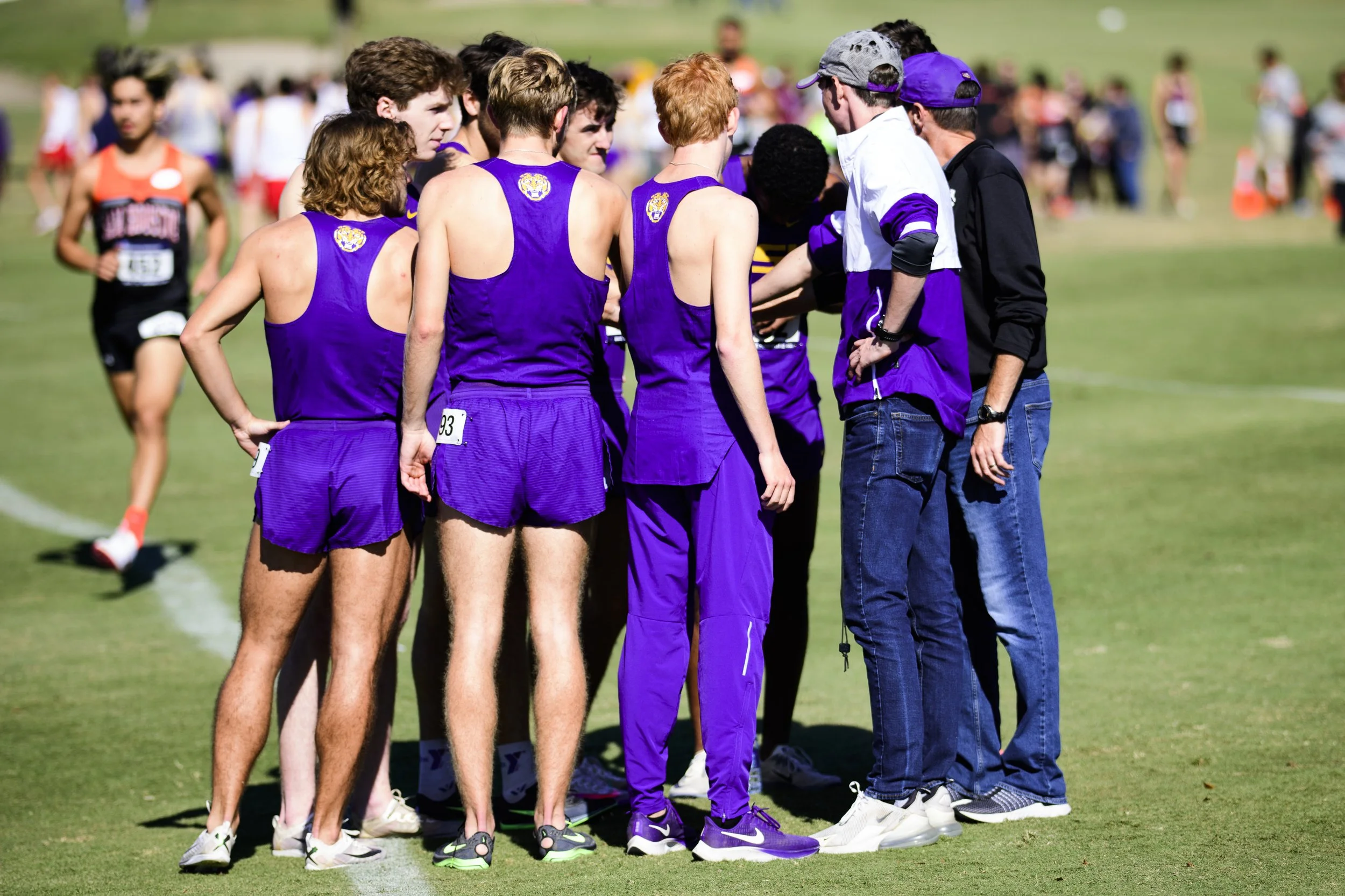


Your days are probably filled with some variation of training, treatment, practice, coaches (who may or may not yell every now and then), homework, studying, professors, travel, tutoring, meetings or appointments, and maybe trying to fit in some semblance of a social life. Oh, and sleep. That’s important when you can get it, too. Maybe on the good days you can even fit in some time for yourself?
As an LSU athlete, you’re consistently competing against the best of the best, and it can be a blast. It can also take a toll on your body, mind, emotions, and even your self-esteem.
Most student-athletes judge their self-worth based on their sport performance. According to the NCAA, nearly 30% of DI college athletes report being overwhelmed “very or fairly often.” Nationally, nearly 85% of athletic trainers believe anxiety is a problem among the student-athletes they work with. Student-athletes, generally speaking, also may be more susceptible to suicide because of the stigma surrounding help-seeking and counseling in sport at all levels.


The pressure at the DI level can be suffocating. To get a college scholarship or a spot on a DI team, you’re taught to be mentally tough and to avoid weakness at all costs. You’re taught to ignore negativity or “bad” emotions. You’re expected to always put your team first and told to constantly keep striving to be the best. Those optional workouts? Yeah, they may not always feel so optional. So naturally, as you run through full days and balance a million responsibilities, there’s little room for pause or error.
But in addition to all of the responsibilities mentioned previously, you have a family, a romantic relationship, cravings for junk food, and interests or friends outside of sport. You may be homesick or frustrated with your financial situation. Maybe you’re injured or sick but you feel pressured to train or compete anyway. Maybe you’re worried about disappointing your coach or your parents. Maybe you lost your starting spot or made a big mistake in an important game. Maybe you just feel like you’ve been living in survival mode.


You may also be battling social pressures or stereotypes. Maybe there’s team drama or conflict. You may feel unsupported or lost. Even when you’re at the top of your game, it’s tough not to compare yourself to others. Oh, and in case you haven’t noticed, there’s also been a pandemic going on for about 2 years and increasing racial tensions across the United States. The world has never been an easy place, but it feels like we’ve all gotten an extra serving of difficult the last couple of years.
You're incredible - regardless of the outcome on the court, field, track, in the pool... you get the idea. You're strong, resilient, smart, stylish, and creative. You're inspiring, and maybe most importantly, you're doing your best. That's all anyone can ask of you.
Still, two things can be true at once. You can be worried and still be tough. You can lose a meet or a game, and still be talented. You can love the life and opportunities you have, and still get overwhelmed. For every great moment or win, there will be periods of exhaustion and frustration. LSU is one of very few schools in the entire country with an in-house sport psych and counseling team. The team here is the best, and they've helped a lot of Tigers before you through some hard times. The Katie Meyer story, much like Maddison Holleran's, has turned a lot of heads and triggered a lot of feelings for some of you…so let’s TALK. You also have the National Suicide Prevention Lifeline as a source of support if you are struggling with thoughts of suicide. YOU ARE NOT ALONE.

Art by LSU Football Alumni: Brandon Surtain
Along with being kind to yourself when you can, here are a few things you can do when you hit a rut or feel like you’re having an especially hard time.
BIOPSYCHOSOCIAL CHECK: Check in with yourself – biologically, psychologically, and socially. Evaluate what might be contributing to your current state of mind. Are you tired or dehydrated? Can you identify what may be stressing you out or making you upset? Do you need some time for yourself to re-set? Taking just a moment to check in with yourself in these ways is a small thing but it can make a big difference.

Art by LSU Football Alumni: Brandon Surtain
“THINK” about your thoughts. Are they:
True
Helpful
Inspiring
Necessary
Kind
Sometimes our thoughts aren’t accurate and don’t reflect the reality of a situation. If you’re finding that your self-talk is more negative than usual or you’re growing frustrated with a situation, “Think” about whether you should hold onto those thoughts or let ‘em go.

Art by LSU Football Alumni: Brandon Surtain
CHECK ON A FRIEND
Sometimes student-athletes get so caught up in their own day and responsibilities, that we don’t always stop to encourage a teammate who may be struggling or having a bad day. Giving someone a compliment, telling someone how much they mean to you or simply acknowledging someone’s effort may make all the difference to them and spark some joy for you, too.

For support and guidance throughout your college career as an LSU student-athlete, reach out to your resources.
It’s often the hardest step, but the most rewarding.
Sport Psychology & Counseling: GeauxBeWell@lsu.edu