Divided Attention: Navigating ADHD in the Life of Student-Athletes

For student-athletes, the balancing act between academics, athletics, and personal life is already a high-wire performance. Add ADHD to the mix, and the challenge becomes even more complex. Attention Deficit Hyperactivity Disorder (ADHD) affects approximately 8-10% of college students. Among athletes, the prevalence may be even higher due to the high-energy and high-stimulation environments in which they often thrive.

Balancing Demands

ADHD can make time management, organization, and sustained attention difficult…skills that are essential for juggling class schedules, training sessions, and social obligations. According to a study published in the Journal of Attention Disorders, college students with ADHD report significantly higher levels of academic stress and lower GPA averages than their peers. For athletes, this stress is compounded by travel schedules, performance pressures, and limited downtime.

However, many athletes with ADHD also possess traits that help them succeed: high energy, resilience, and hyper-focus during moments of interest. These strengths can be harnessed with the right support systems in place.

On the Field

ADHD can affect athletic performance in both positive and negative ways. On the downside, impulsivity and distractibility may lead to missed plays, difficulty following complex strategies, or inconsistent performance. A 2020 study in the Frontiers in Psychiatry found that athletes with ADHD may struggle with inhibitory control, which can impact decision-making under pressure.

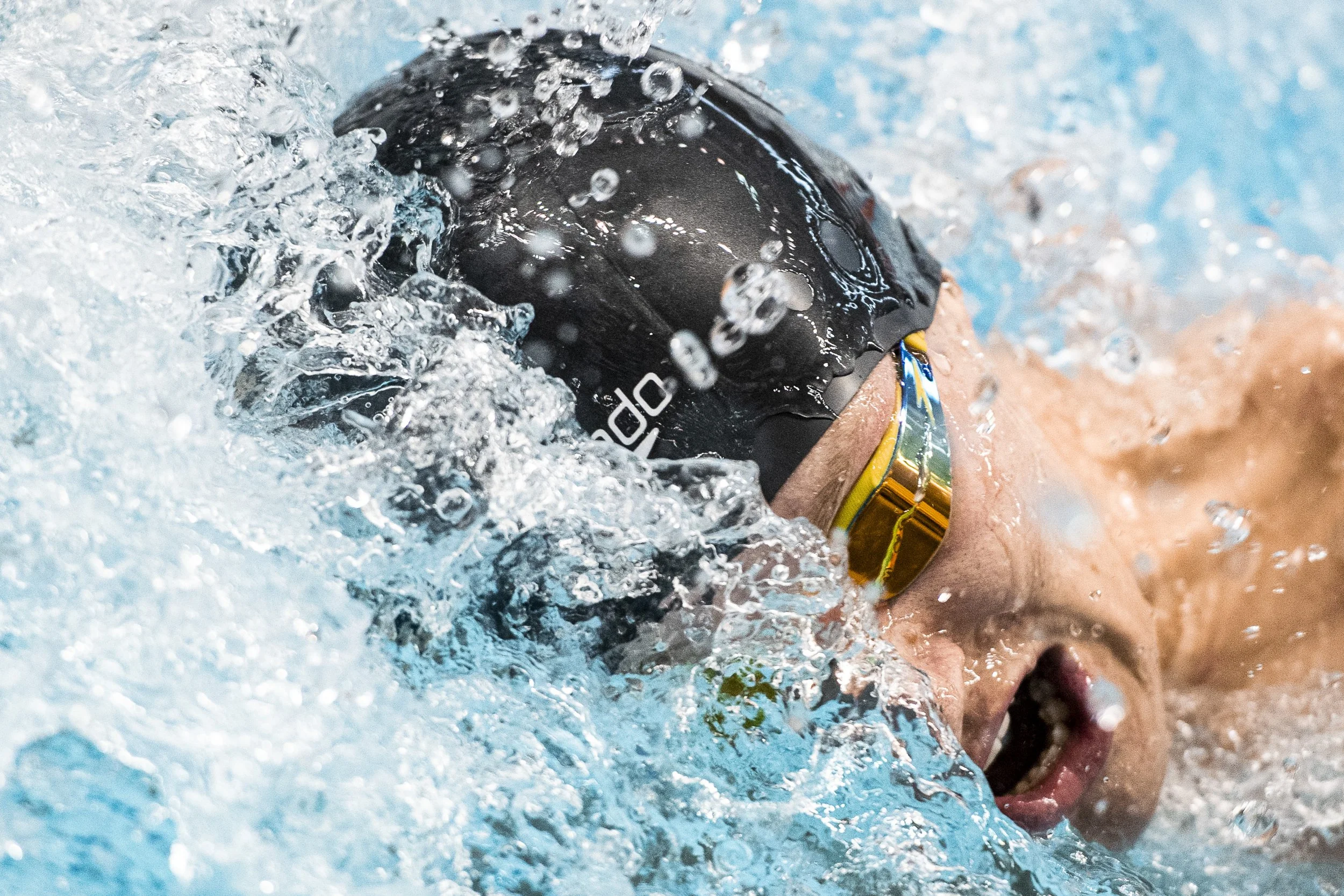
On the flip side, many athletes with ADHD report heightened intensity, creativity, and the ability to hyperfocus during competition. Olympic swimmer Michael Phelps, diagnosed with ADHD as a child, credits swimming with helping him channel his energy and focus. The structure and repetition of sports can provide a stabilizing routine that benefits athletes with ADHD.


Support Systems

Managing ADHD as a student-athlete requires a team effort. Coaches who understand ADHD can adapt communication styles, offer consistent feedback, and create structured routines. Academic advisors and disability services can provide accommodations such as extended test time, note-taking support, and priority registration.

Teammates also play a crucial role. A culture of understanding and encouragement can reduce stigma and foster connection. Mental health professionals, including sports psychologists, can help athletes develop coping strategies, mindfulness techniques, and executive functioning skills.

Technology is another ally; apps like MyStudyLife, Todoist, and Headspace offer tools for organization, time management, and stress reduction.

Moving Forward

ADHD doesn’t have to be a barrier to success in sports or academics. With awareness, support, and tailored strategies, student-athletes can thrive. The key is recognizing that every athlete’s playbook looks different, and that’s okay.

As we continue to break down stigmas around mental health and neurodiversity, let’s remember that divided attention doesn’t mean divided potential. For athletes with ADHD, the game is still theirs to win.

Resources

Cox Communications Academic Center for Student-Athletes. Provides tutoring, learning specialists, and educational testing tailored to student-athletes.

📍 100 Gym Armory Building

📞 225-578-5787

LSU Athletics Sport Psychology & Counseling Services (SPC). Provides individual and group counseling, mental performance coaching, and wellness planning.

📞 225-578-8939

📧 geauxbewell@lsu.edu (email for LSU Sport Psych)

LSU Disability Services. Offers accommodations such as extended test time, note-taking support, & distraction-reduced environments.

📍 124 Johnston Hall

📞 225-578-5919

📧 disability@lsu.edu

Previous
Previous

Welcome NILSU…ci!

Next
Next

TLC: November- Social Media & Cyber-Bullying